How to Run Effective Meetings that Lead to Action: Mark Ellwood

How to Make Meetings More Productive and Effective
Stop Wasting Time in Meetings: Focus on Decisions and Action
Episode 318 (Mark is based in Toronto) Repeat of episode 167
In this conversation with Mark Ellwood we explore:

why meetings should lead to decisions and action
the responsibility of every meeting participant
how to bring a wandering discussion back on track
why different perspectives make meetings both difficult and valuable
how precise instructions improve breakout discussions
finding common ground during heated disagreements
using veto values to uncover agreement
empathetic listening before attempting to persuade
asking whether people can live with a group decision
knowing when to stop debating and gather more evidence
drawing reluctant participants into the conversation
using anonymous comments to uncover hidden concerns
separating facts, feelings and speculation
asking open-ended questions that encourage deeper answers
creating equal voices despite differences in organizational rank
when an outside facilitator can improve the meeting
designing an agenda that progresses toward action

-----
About our guest, Mark Ellwood:
Mark helps organizations develop their strategic plan. He serves as facilitator, trainer, team builder and time study consultant.
He is an inventor, a poet and a keen puzzle solver.
Learn more about Mark and his services at
https://getmoredone.com/
https://terrificteams.com/
-----
Key Lessons from this converation with Mark Ellwood:

The purpose of most meetings is to bring stakeholders together to make decisions that lead to action.
A meeting should produce something different after people leave the room.
Different perspectives create challenges in meetings, but those differences also create value.
Every participant has the right and responsibility to improve the dynamics of the meeting.
You don't need to chair the meeting to ask for clarity or bring a wandering discussion back on track.
Give breakout groups precise questions and a defined format for their answers.
When disagreement becomes heated, identify the values and facts that participants agree on.
Empathetic listening helps people understand opposing positions before attempting to resolve them.
Consensus doesn't require everybody to prefer the final decision. Sometimes the useful question is, "Can you live with that?"
When the group lacks the information required to make a decision, stop debating and gather the necessary evidence.
A break can provide space for people to reconsider positions and have useful informal conversations.
Watch the body language of participants who haven't spoken. Silence doesn't necessarily indicate agreement.
Anonymous written comments can surface concerns that participants hesitate to voice publicly.
Feelings deserve acknowledgement. Instead of arguing with someone's feelings, ask questions to understand what lies behind them.
Use open-ended prompts such as "Tell me more" and "Paint me a picture" to move beyond superficial answers.
Separate facts from feelings and speculation when evaluating an issue.
Review past performance by asking: What happened? What did we learn? What does this mean for the future?
Establish meeting ground rules that give participants an equal opportunity to speak and be heard.
An outside facilitator can reduce the influence of organizational baggage, hierarchy and established relationships.
Build the agenda as a logical sequence that moves participants toward decisions and action.

-----
----more----
Your Intended Message is the podcast about how you can boost your career and business success by honing your communication skills. We’ll examine the aspects of how we communicate one-to-one, one to few and one to many – plus that important conversation, one to self.
In these interviews we will explore presentation skills, public speaking, conversation, persuasion, negotiation, sales conversations, marketing, team meetings, social media, branding, self talk and more.
 
Your host

Show Notes

How to Make Meetings More Productive and Effective
Stop Wasting Time in Meetings: Focus on Decisions and Action

Episode 318 (Mark is based in Toronto) Repeat of episode 167


In this conversation with Mark Ellwood we explore:


  • why meetings should lead to decisions and action

  • the responsibility of every meeting participant

  • how to bring a wandering discussion back on track

  • why different perspectives make meetings both difficult and valuable

  • how precise instructions improve breakout discussions

  • finding common ground during heated disagreements

  • using veto values to uncover agreement

  • empathetic listening before attempting to persuade

  • asking whether people can live with a group decision

  • knowing when to stop debating and gather more evidence

  • drawing reluctant participants into the conversation

  • using anonymous comments to uncover hidden concerns

  • separating facts, feelings and speculation

  • asking open-ended questions that encourage deeper answers

  • creating equal voices despite differences in organizational rank

  • when an outside facilitator can improve the meeting

  • designing an agenda that progresses toward action


-----


About our guest, Mark Ellwood:


Mark helps organizations develop their strategic plan. He serves as facilitator, trainer, team builder and time study consultant.


He is an inventor, a poet and a keen puzzle solver.


Learn more about Mark and his services at


https://getmoredone.com/


https://terrificteams.com/


-----


Key Lessons from this converation with Mark Ellwood:


  • The purpose of most meetings is to bring stakeholders together to make decisions that lead to action.

  • A meeting should produce something different after people leave the room.

  • Different perspectives create challenges in meetings, but those differences also create value.

  • Every participant has the right and responsibility to improve the dynamics of the meeting.

  • You don't need to chair the meeting to ask for clarity or bring a wandering discussion back on track.

  • Give breakout groups precise questions and a defined format for their answers.

  • When disagreement becomes heated, identify the values and facts that participants agree on.

  • Empathetic listening helps people understand opposing positions before attempting to resolve them.

  • Consensus doesn't require everybody to prefer the final decision. Sometimes the useful question is, "Can you live with that?"

  • When the group lacks the information required to make a decision, stop debating and gather the necessary evidence.

  • A break can provide space for people to reconsider positions and have useful informal conversations.

  • Watch the body language of participants who haven't spoken. Silence doesn't necessarily indicate agreement.

  • Anonymous written comments can surface concerns that participants hesitate to voice publicly.

  • Feelings deserve acknowledgement. Instead of arguing with someone's feelings, ask questions to understand what lies behind them.

  • Use open-ended prompts such as "Tell me more" and "Paint me a picture" to move beyond superficial answers.

  • Separate facts from feelings and speculation when evaluating an issue.

  • Review past performance by asking: What happened? What did we learn? What does this mean for the future?

  • Establish meeting ground rules that give participants an equal opportunity to speak and be heard.

  • An outside facilitator can reduce the influence of organizational baggage, hierarchy and established relationships.

  • Build the agenda as a logical sequence that moves participants toward decisions and action.


-----


----more----


Your Intended Message is the podcast about how you can boost your career and business success by honing your communication skills. We’ll examine the aspects of how we communicate one-to-one, one to few and one to many – plus that important conversation, one to self.

In these interviews we will explore presentation skills, public speaking, conversation, persuasion, negotiation, sales conversations, marketing, team meetings, social media, branding, self talk and more.


Your host is George Torok


George is a specialist in communication skills. Especially presentation. He’s fascinated by the links between communication and influencing behaviors. He delivers training and coaching programs to help leaders and promising professionals deliver the intended message for greater success.


Connect with George


www.SpeechCoachforExecutives.com


https://superiorpresentations.net/


https://www.linkedin.com/in/georgetorokpresentations/


https://www.youtube.com/user/presentationskill
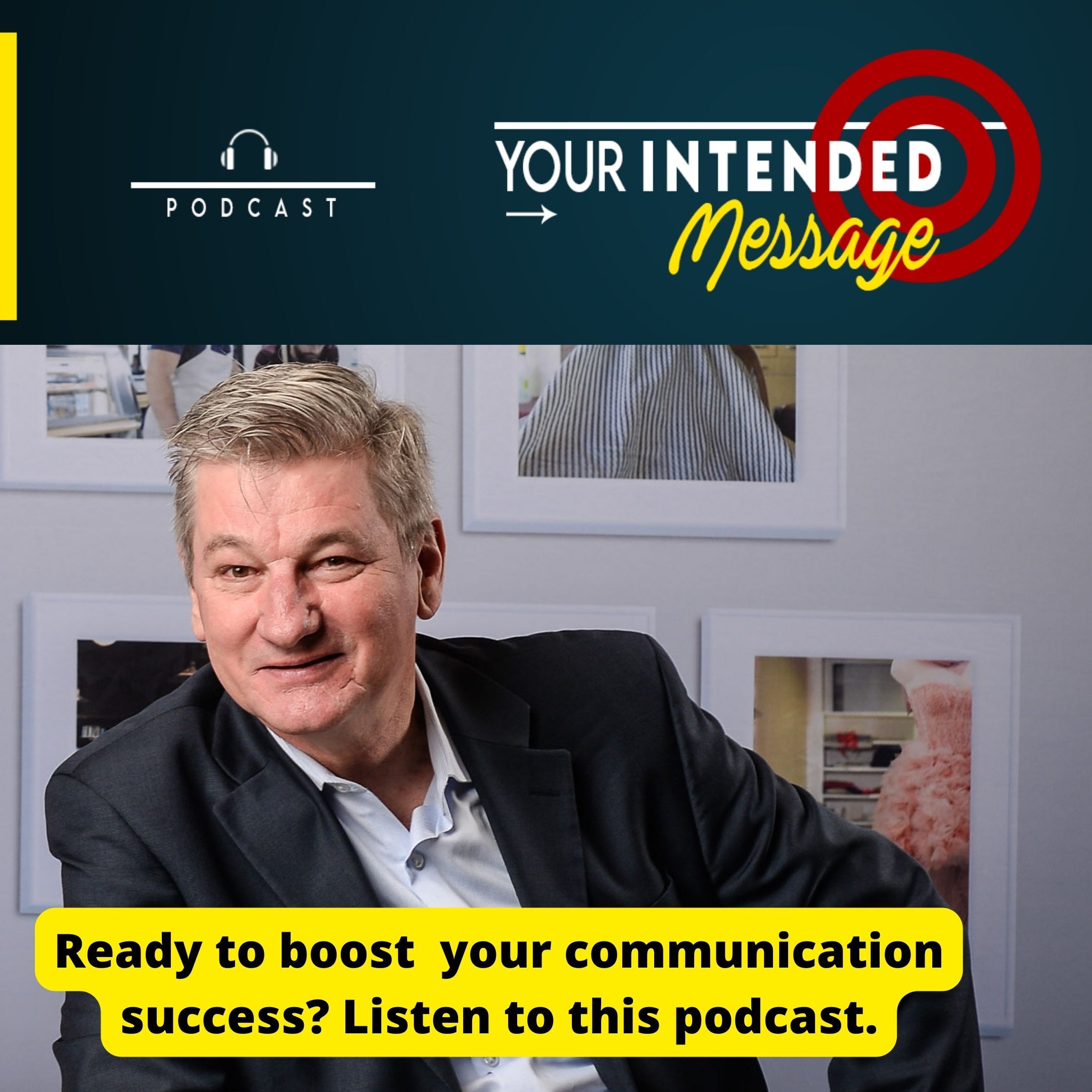


Your Intended Message: Transform your communication skills and business results

You know what you meant but did the audience understand your intended message?If you have ever experienced frustration getting your message heard and ...

Subscribe, don't miss the next episode!

×