The Science Behind Intuition & Better Decisions: Sunil Godse

Trust Your Gut? What Neuroscience Reveals About Intuition
The Four Types of Intuition Every Leader Should Understand
Episode 309 (Sunil is based in London, Ontario)
In this conversation with Sunil Godse we explored:

the science behind intuition and decision-making
how intuition operates through the subconscious mind
why trust is essential for business success
the connection between intuition and leadership
recognizing personal intuitive signals
positive and negative intuition cues
experiential intuition and learning from experience
relational intuition and building trust
situational intuition and reading environments
creative intuition and taking calculated risks
balancing intuition with logic and data
why entrepreneurs often ignore intuitive warnings
identifying intuition through past decisions
overcoming fear to act on intuitive insights
the opportunity cost of ignoring intuition
strengthening intuition through deliberate reflection

-----
About our guest, Sunil Godse:
Sunil's intuitive branding services helped a struggling $400,000 company earn $3.5 million in just over 2 years.
He is the author of two books, "Gut: What it is. How to trust it. How to use it." and "Fail Fast. Succeed Faster".
Learn about about his intuitive branding services at https://sunilgodse.com/
Buy his books https://sunilgodse.com/books/
-----
Key  points from this conversation with Sunil:

Intuition is not mystical; neuroscience research suggests it operates through the subconscious mind.
Intuitive processing can begin within milliseconds before conscious awareness.
Trust is built through intuition and plays a major role in business success.
Every person receives intuitive signals, but those signals are unique to the individual.
Positive intuitive signals encourage action, while negative signals warn against potential problems.
Intuition draws upon a lifetime of experiences stored in the subconscious.
Four forms of intuition influence decision-making: experiential, relational, situational, and creative intuition.
Experiential intuition relies on accumulated knowledge and past experiences.
Relational intuition helps determine whom to trust and collaborate with.
Situational intuition evaluates the environment and circumstances around a decision.
Creative intuition encourages people to pursue opportunities that may appear risky to others.
Many business failures occur when leaders ignore their intuitive warnings.
Trust within organizations increases engagement, productivity, and loyalty.
Employees become stronger contributors when they feel trusted and respected.
Effective leaders balance intuition, emotion, and rational analysis.
Reviewing past successes and failures helps identify personal intuitive signals.
Intuition grows stronger when people consciously reflect on their experiences.
Acting on intuition often requires courage because the path forward may be uncertain.
Fear frequently prevents people from following intuitive guidance.
Successful entrepreneurs often combine data with intuition rather than relying exclusively on either.

-----
----more----
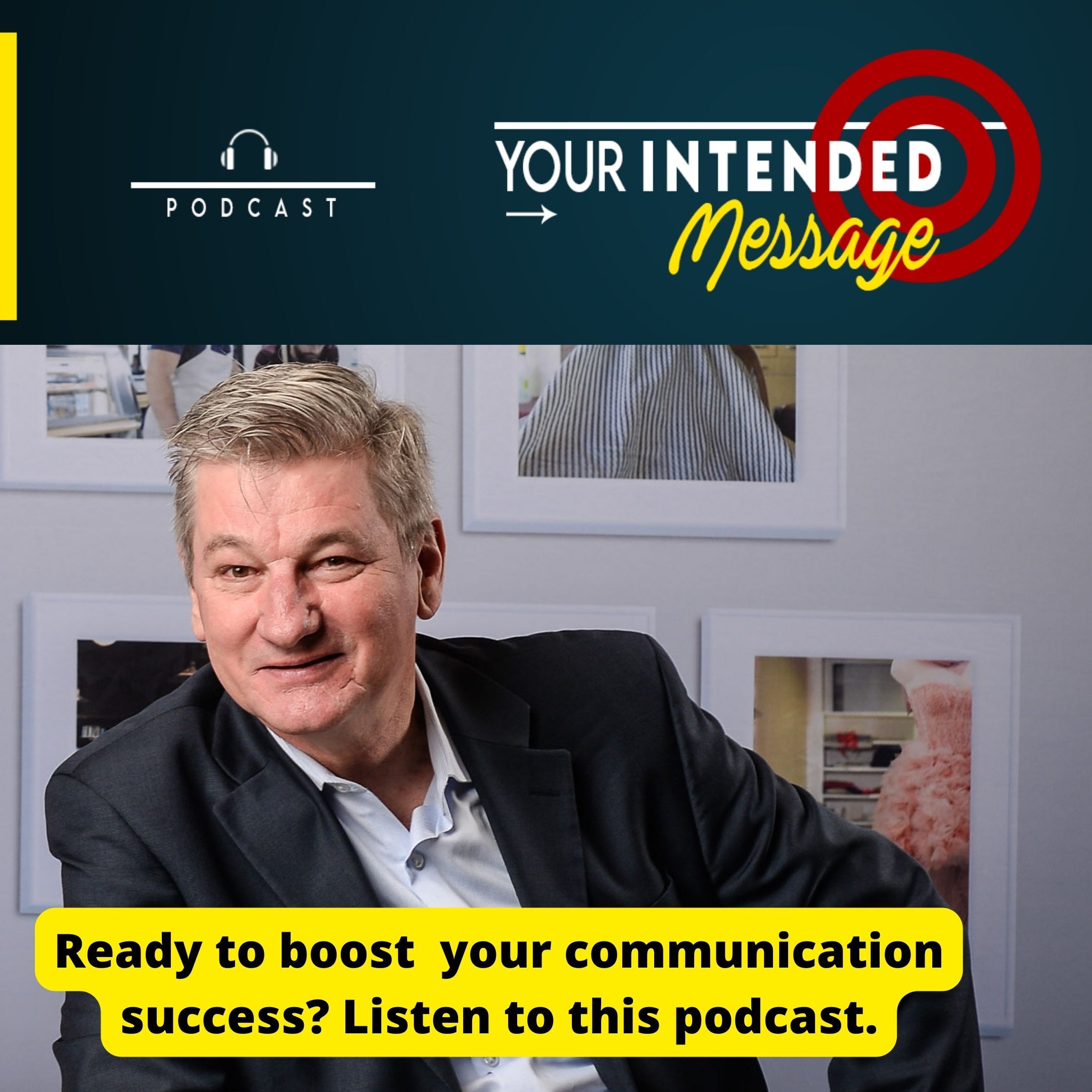
Your Intended Message is the podcast about how you can boost your career and business success by honing your communication skills. We’ll examine the aspects of how we communicate one-to-one, one to few and one to many – plus that important conversation, one to self.
In these interviews we will explore presentation skills, public speaking, conversation, persuasion, negotiation, sales conversations, marketing, team meetings, social media, branding, self talk and more.
 
Your host is George Torok
George is a specialist in communication skills. Especially presentation. He’s fascinated by the links between communication and influencing behaviors. He delivers training and coaching programs to help leaders and promising professionals deliver the intended message for greater success.
 
Connect with George
www.SpeechCoachforExecutives.com
https://superiorpresentations.net/
https://www.linkedin.com

Show Notes

Trust Your Gut? What Neuroscience Reveals About Intuition
The Four Types of Intuition Every Leader Should Understand

Episode 309 (Sunil is based in London, Ontario)


In this conversation with Sunil Godse we explored:


  • the science behind intuition and decision-making

  • how intuition operates through the subconscious mind

  • why trust is essential for business success

  • the connection between intuition and leadership

  • recognizing personal intuitive signals

  • positive and negative intuition cues

  • experiential intuition and learning from experience

  • relational intuition and building trust

  • situational intuition and reading environments

  • creative intuition and taking calculated risks

  • balancing intuition with logic and data

  • why entrepreneurs often ignore intuitive warnings

  • identifying intuition through past decisions

  • overcoming fear to act on intuitive insights

  • the opportunity cost of ignoring intuition

  • strengthening intuition through deliberate reflection


-----


About our guest, Sunil Godse:


Sunil's intuitive branding services helped a struggling $400,000 company earn $3.5 million in just over 2 years.


He is the author of two books, "Gut: What it is. How to trust it. How to use it." and "Fail Fast. Succeed Faster".


Learn about about his intuitive branding services at https://sunilgodse.com/


Buy his books https://sunilgodse.com/books/


-----


Key  points from this conversation with Sunil:


  • Intuition is not mystical; neuroscience research suggests it operates through the subconscious mind.

  • Intuitive processing can begin within milliseconds before conscious awareness.

  • Trust is built through intuition and plays a major role in business success.

  • Every person receives intuitive signals, but those signals are unique to the individual.

  • Positive intuitive signals encourage action, while negative signals warn against potential problems.

  • Intuition draws upon a lifetime of experiences stored in the subconscious.

  • Four forms of intuition influence decision-making: experiential, relational, situational, and creative intuition.

  • Experiential intuition relies on accumulated knowledge and past experiences.

  • Relational intuition helps determine whom to trust and collaborate with.

  • Situational intuition evaluates the environment and circumstances around a decision.

  • Creative intuition encourages people to pursue opportunities that may appear risky to others.

  • Many business failures occur when leaders ignore their intuitive warnings.

  • Trust within organizations increases engagement, productivity, and loyalty.

  • Employees become stronger contributors when they feel trusted and respected.

  • Effective leaders balance intuition, emotion, and rational analysis.

  • Reviewing past successes and failures helps identify personal intuitive signals.

  • Intuition grows stronger when people consciously reflect on their experiences.

  • Acting on intuition often requires courage because the path forward may be uncertain.

  • Fear frequently prevents people from following intuitive guidance.

  • Successful entrepreneurs often combine data with intuition rather than relying exclusively on either.


-----


----more----


Your Intended Message is the podcast about how you can boost your career and business success by honing your communication skills. We’ll examine the aspects of how we communicate one-to-one, one to few and one to many – plus that important conversation, one to self.

In these interviews we will explore presentation skills, public speaking, conversation, persuasion, negotiation, sales conversations, marketing, team meetings, social media, branding, self talk and more.


Your host is George Torok


George is a specialist in communication skills. Especially presentation. He’s fascinated by the links between communication and influencing behaviors. He delivers training and coaching programs to help leaders and promising professionals deliver the intended message for greater success.


Connect with George


www.SpeechCoachforExecutives.com


https://superiorpresentations.net/


https://www.linkedin.com/in/georgetorokpresentations/


https://www.youtube.com/user/presentationskill


Your Intended Message: Transform your communication skills and business results

You know what you meant but did the audience understand your intended message?If you have ever experienced frustration getting your message heard and ...

Subscribe, don't miss the next episode!

×